Join the ABA ILS International Criminal Law Committee and ILS International Animal Law Committee for the final webinar in our Blue Crimes series focused on crimes impacting aquatic animals, humans and our environment. This webinar is free and open to the public.
Peter Hammarstedt is the Chief Campaigns Officer for Sea Shepherd Global, an international nonprofit organization that supports law enforcement authorities to tackle illegal fishing through blue water interdictions. In 2014, Peter Hammarstedt captained a ship that set the record for longest maritime pursuit in history, chasing an internationally-blacklisted vessel across three oceans and 10,000 miles before it was intentionally sunk by its captain off the coast of São Tomé and Príncipe.In the wake of the sinking, Peter created and piloted a “civilian offshore patrol vessel” program to support developing countries in efforts to combat illegal, unreported and unregulated (IUU) fishing in their sovereign waters and sustain the health of the ocean.
Alana MalindeS.N. Lancaster is a Guyanese-Barbadian environmental, energy & human rights lawyer, academic and natural resources specialist. She is currently a Lecturer in International Environmental & Energy Law, and Head of the Caribbean Environmental Law Unit of the Faculty of Law, The University of the West Indies, Cave Hill Campus. Alana is also a Researcher with the UKRI GCRF-funded One Ocean Hub, and serves as the Regional Director of the Global Network for Human Rights and the Environment for the Caribbean Region. Since 2014, she has been a Member of the International Law Association Caribbean Branch and currently serves on the Branch’s Executive. In addition to er research, Alana has also contributed extensively to the work of international bodies, courts and the work of the Special Rapporteurs on human rights and climate change, and the right to a healthy environment.
Amy P. Wilson is a licensed attorney of the High Court of South Africa and researcher with over 14 years of professional legal experience. She is the co-founder and director of Animal Law Reform South Africa, the first dedicated animal law non-profit in the country. She is a Lecturer and Research Associate with the University of Johannesburg and a Senior Adjunct Lecturer with the University of the Western Cape. She is consultant on aquatic animal law issues for the Animal Legal Education Initiative at The George Washington University Law School. Amy is an Independent Expert with the United Nations in Harmony with Nature Programme and a founding steering committee member of the Global Alliance for the Rights of Nature: Africa Hub. She holds bachelor’s degrees in business management and law, a Master’s degree in Animal Law and is currently working towards her Doctorate.
Jamie McLaughlin (moderator) is the Co-Chair of the ABA ILS Animal Law Committee.
This program is free and open to all. Please register in advance here: https://bit.ly/4bxSiXv
The International Criminal Court (ICC) was created to respond to international crimes. Over the last 25 years, the ICC has navigated both progress and setbacks and now faces a series of challenges, many driven by state actions. These challenges include the enforcement of arrest warrants, state responses to the Prosecutor’s jurisdictional assessments, and the ICC’s ability to deter international crimes.
This discussion will assess these challenges and their impact on the ICC’s effectiveness, exploring whether they can be addressed given their consequences for victims’ rights and access to justice. The discussion will also consider whether state resistance arises from a misunderstanding of the law or signals deeper structural challenges that must be resolved for the ICC to function effectively.
Dr. Pierpaolo Petrelli
Dr. Pierpaolo Petrelli is an Associate Professor and Associate Dean (International Internship) at O.P. Jindal Global University School of Law. Mr. Petrelli has over eight years of work experience as a legal counsel in governmental and non-governmental organizations. His area of research interest focuses on international law, international criminal law, international human rights law (IHRL), international humanitarian law (IHL), European law, transnational terrorism, and refugee law. He specializes in providing advice to governments, international organizations, corporations, and communities on how to comply with IHRL and IHL, manage human rights risks and how seek redress in the international human rights and criminal law system. His work involves advising on all aspects of accountability and human rights due diligence, human rights investigations and fact-finding missions throughout the globe. Mr. Petrelli is an expert in the law and procedure of international tribunals, including the International Criminal Court (ICC) and the International Court of Justice (ICJ) in relation to allegations and prosecution of international crimes. He has also practiced as a defense attorney in Italy and United States law firms.
Rebecca Shoot
Rebecca A. Shoot is an international lawyer and democracy and governance practitioner with more than 15 years of experience in the non-governmental, inter-governmental, and private sectors supporting human rights, democratic processes, and the rule of law on five continents.
In nearly a decade with the National Democratic Institute (NDI), Rebecca held numerous positions in headquarters and the field supporting and leading democracy and governance programs in Central and Eastern Europe and Southern and East Africa. She subsequently moved to a leadership role steering NDI’s Governance projects globally and directing programming for the bipartisan House Democracy Partnership of the U.S. House of Representatives. Rebecca created a global parliamentary campaign for Democratic Renewal and Human Rights as Senior Advisor to Parliamentarians for Global Action (PGA), an international network of legislators committed to collaboration to promote democracy, human rights, and the rule of law. Prior to that, she directed PGA’s International Law and Human Rights Programme and ran PGA’s office in The Hague. Most recently, she helmed global programming to promote gender equality and criminal justice reform for the American Bar Association Rule of Law Initiative (ABA ROLI).
Rebecca earned a Juris Doctorate with Honors from Emory University School of Law, where she received several academic distinctions, including the David J. Bederman Fellowship in International Law and Conley-Ingram Scholarship for Public Interest Leadership. She earned a Master of Science in Democracy & Democratisation from University College London School of Public Policy and a Bachelor of Arts Magna Cum Laude in Political Science from Kenyon College. She holds certificates in Conflict Analysis from the U.S. Institute of Peace and in Public International Law from The Hague Academy of International Law.
As Executive Director of CGS, Rebecca will continue her current role as Co-Convener of the Washington Working Group for the International Criminal Court (WICC), a diverse coalition of human rights organizations, legal associations, former government officials, and leading legal professionals. CGS and WICC have a rich and intertwined history that this dual appointment brings full circle, with CGS formerly serving as host for the coalition and with several current and former common Board and National Advisory Committee members.
She also acts, directs, and writes for the theater.
Dr. Denakpon L. Tchobo
Dr. Denakpon L. Tchobo GJIE- Chief Executive Officer Dr. Denakpon Tchobo is the Co-founder and Chief Executive Officer of Global Justice Intelligence Eyes. Inc., an NGO that focuses on research, investigative work, and legal assistance for victims of international crimes and human rights violations worldwide. He is an international criminal lawyer admitted to the list of Assistants to Counsel at the International Criminal Court in the Hague. Dr. Tchobo is also an adjunct law professor at Case Western Reserve University School of Law, where he has co-coached the ICC Moot Court Team since August 2021. Passionate about human rights protection and promotion as a victims’ activist, Denakpon joined Amnesty International in Benin, West Africa, where he worked as a volunteer, human rights defender, and local coordinator on several projects, such as the abolition of the Death Penalty in Benin, Torture, LGBTQ rights, Stop Violence Against Women, Health and sexual reproductive Rights, Trade and Arms Control, International Justice, Education, and Children’s Rights from November 2010 to April 2014. He also served on the Organization Elective Board Committee as a second Reporter in 2014. He has authored books and many articles on genocide and international criminal law issues, including the proposed convention on the new international crime he called groupicide.
Dr. Denakpon Tchobo is a precursor of the conciliation of the interests of justice and the interests of victims in the proceedings of international criminal justice. On November 24, 2023, he was invited by the Kharkiv National University of Internal Affairs to speak at an International scientific and practical conference before Madam State Secretary of the Ministry of Internal Affairs of Ukraine, the Presidium of the University, law enforcement bodies, lawyers, Professors, and students to help war crimes Prosecutors and law enforcement bodies conduct a proper quality of pre-trial investigation under martial law in favor of victims of war crimes committed by the Russian Federation on the territory of Ukraine.
Join the ABA ILS International Criminal Law Committee and ILS International Animal Law Committee for this second of a three-part webinar series on Blue Crimes impacting aquatic animals, humans and our environment.
SPEAKERS:
ALEX CORNELISSEN Chief Executive Officer, Sea Shepherd Global
KATHY HESSLER Director, Animal Legal Education Initiative The George Washington University Law School
LU SHEGAY Co-Founder and Managing Director, Institute of Animal Law of Asia
JAMIE MCLAUGHLIN Moderator ABA ILS International Animal Committee
Read the 2020 American Bar Association Resolution that calls on governments at all levels to enact and enforce laws banning the possession, sale, and trade of shark fins and urges legal organizations to advocate for and promote these measures globally.
The start of 2025 offers fresh opportunities for innovation and collaboration. As we look ahead, we reflect on the milestones that have set our foundation for the future.
In 2024, the House of Delegates unanimously adopted two pivotal resolutions. Resolution 501, addressing the genocide of the Hazara people in Afghanistan, originated from our Co-Chairs’ groundbreaking white paper, Broken Frame, Shattered Glass: Recognizing Crimes Perpetrated Against the Hazaras of Afghanistan — the first such initiative in the International Law Section’s history. Resolution 502 called for international action on human rights violations in Tibet, further establishing ICLC’s role in shaping global policy.
As 2025 begins, the ICLC is turning its attention to the critical issue of state responsibility. In 2001, the International Law Commission produced Responsibility of States for Internationally Wrongful Acts, a document that, while never formalized into a convention or treaty, continues to influence judgments from international tribunals. This topic takes on heightened importance this year, as the International Court of Justice faces multiple cases that question the responsibility of states. Meanwhile, the International Criminal Court remains focused on prosecuting individuals for criminal acts, raising questions about the interplay between state and individual accountability.
This explores key questions related to state responsibility, including its effectiveness, what has transpired in practice, and what may be expected by international courts and tribunals as these pivotal cases unfold in the coming year.
Nations on Trial: Examining State Responsibility in International Justice was broadcast as a live webinar on January 15, 2025. Watch the recording on our YouTube channel.
This webinar was presented on Monday, December 16, 2024. You can watch the recording here or on our YouTube channel.
The use of Universal jurisdiction as a tool international criminal justice has continued to grow over the years, and 2024 was no exception. Universal jurisdiction remains an important tool in addressing impunity and specifically prosecuting perpetrators for crimes under international criminal law.
Join the International Criminal Law Committee for the last webinar of 2024, focusing on Universal Jurisdiction developments for 2024. If you have not been paying attention and want a primer, this is the webinar for you!
Moderated by: Henna Shah. ICLC Steering Committee
Speaker: Marisa R. Bassett
Marisa R. Bassett is an Institutional Capacity Building Attorney at the Defense Institute of International Legal Studies (DIILS). In this role, she assists foreign partner defense institutions in Eastern Europe in building legal capacity, including on the law of armed conflict and human rights. Before joining DIILS, Marisa was Assistant Appeals Counsel with the International Residual Mechanism for Criminal Tribunals—the successor to the International Criminal Tribunals for the former Yugoslavia (ICTY) and Rwanda (ICTR)—where she prosecuted major political and military leaders for genocide, war crimes, and crimes against humanity. She previously served in the ICTY’s Office of the Prosecutor, Appeals Division.Marisa is a member of the Justice Rapid Response roster of experts on investigating sexual violence in conflict. She is co-editor of Economic Sanctions under International Law: Unilateralism, Multilateralism, Legitimacy, and Consequences (Asser 2015).
This program was recorded as a live webinar on November 25, 2024. Watch it in its entirety here or on our YouTube channel.
The ABA ILS International Criminal Law Committee and ILS International Animal Law Committee present the first of a three-part webinar series on Blue Crimes impacting aquatic animals, humans and our environment.
Valentina Crast is the Campaign Director for Sea Shepherd, Faroe Islands. She has been an animal rights advocate for 12 years, working in various roles, including leading pressure campaigns and conducting investigations. She also ran for the European Parliament in 2024, focusing entirely on animal advocacy. Valentina began her long-term commitment to Sea Shepherd’s efforts to end whaling in 2012, spending four months in Japan documenting the slaughter and captivity trade in Taiji. As Campaign Director for Sea Shepherd’s work in the Faroe Islands, Valentina oversees on-the-ground activism, secures documentation, and gathers evidence related to the Faroese drive hunts. Additionally, Valentina represents Sea Shepherd in The Stop the Grind Coalition, focusing on collaborative political pressure on the Government of the Faroe Islands within the European Parliament, and exploring legal strategies to end whaling in Europe.
Zoi Aliozi is an international academic, lawyer, and activist specializing in climate justice, and human rights education, through the disciplines of law and philosophy. Based in Europe, she is a cosmopolitan thinker who has spent the last two decades living, studying, and working across multiple countries globally. Her interdisciplinary PhD research on state-terrorism earned her the First Award for Young International Philosophers. Before transitioning to academia, she practiced criminal law, which continues to inform her research and teaching. Her unique ability to bridge legal practice with academic theory makes her an influential voice in both fields. Dr. Aliozi’s passion for criminal law extends into her research on climate justice, human rights, animal rights, and the rights of nature, approached through the lens of international criminal law (ICL). Her recent work focuses on integrating criminal law concepts, such as ecocide, into climate justice theory. With over two decades of teaching experience at top universities, Dr. Aliozi blends legal expertise, philosophical insights, and climate justice advocacy to shape international human rights education, global policy, and academic thought. Dr. Aliozi currently serves as an EU Climate Pact Ambassador, raising awareness of the climate crisis and advancing green education on climate justice by driving meaningful climate action. She has contributed to the creation of the ‘Maastricht Principles for the Rights of Future Generations‘ and serves as a senior research evaluator for climate justice within ‘Horizon Europe‘ at the European Commission. In 2024, Dr. Aliozi founded ZA Global Academic & Comms Consultancy, providing expert academic services in human rights and climate justice education, and policy advisory, and using cutting-edge digital tools to drive meaningful impact through eComms.
Lori Marino is a neuroscientist formerly on the faculty at Emory University in Atlanta. She is currently Adjunct Professor of Animal Studies at New York University, where she teaches graduate courses on Captive Wild Animal Welfare and the Psychology of Human Exceptionalism. She is the founder and President of the Whale Sanctuary Project and Executive Director of The Kimmela Center for Scholarship-based Animal Advocacy. Lori’s scientific work focuses on the evolution of the brain and intelligence in dolphins and whales (as well as primates and farmed animals), and on the effects of captivity on wild animals. She has published over 140 peer-reviewed scientific papers, book chapters, and magazine articles in these areas. Lori also works at the intersection of science and animal law and policy and is the Co-Director (with Professor Kathy Hessler) of the Animal Law and Science Project at George Washington University and Adjunct Professor at the Vermont Law and Graduate School.
She has a bachelor’s degree from Barnard College in chemistry, a master’s degree from MIT in technology policy, and a doctorate from Harvard University in public policy. She is a 2016 graduate of the Massachusetts Institute of Psychoanalysis.
Dr. Stern’s contributions to both academia and government make her a uniquely authoritative voice on terrorism, bringing together deep theoretical knowledge and real-world experience.
This program was recorded on October 30, 2024. Watch the recording here or on our YouTube channel.
The term mass grave lacks a universally accepted legal definition in international law. However, various legal instruments under international humanitarian law, including Additional Protocol I, aim to promote the protection of mass graves and ensure the dignity of the deceased.
As participants will recall, the first webinar in this series focused on context-specific issues and broad challenges related to mass graves, highlighting how human rights leaders and lawyers in affected communities have responded to these situations. The second webinar now focuses on principles, protocols, and international law, assessing how these protocols and guidelines work, how determinations are made, and what more needs to be done to protect the dignity of the dead.
Dr Melanie Klinkner is an international law scholar and, together with Dr Ellie Smith, author of the Bournemouth Protocol on Mass Grave Protection and Investigation. Since October 2023 she is working on an 5 year-long, £1.6 million project to develop a comprehensive human rights framework for Mass Grave Protection, Investigation and Engagement (MaGPIE). She led an Arts and Humanities Research Council Research Leaders Fellowship for the creation of mass grave protection guidelines with the International Commission on Missing Persons (ICMP) as project partner. In addition, she was the Principal Investigator on a Global Challenges Research Fund project on how to humanise the process of mass grave protection and investigation from the representative perspective of victims’ families. She also led a Leverhulme funded project to explore the merit of open source mass grave mapping. Together with Dr Howard Davis she is author of the monograph ‘The Right to the Truth in International Law’ (published by Routledge, 2020). During Trinity Term 2018 she was a Research Visitor at Oxford University’s Bonavero Institute of Human Rights. She is a Fellow of the Academy of Social Science and since February 2021 a member of the ‘Panel of Experts on Missing Persons‘ for the ICMP. At Bournemouth University she teaches public international law, international criminal law and international human rights law.
Sarah Knuckey joined Columbia Law School in July 2014 as faculty co-director of the Human Rights Institute, director of the Human Rights Clinic, and the Lieff Cabraser Clinical Professor of Law. Knuckey is an international human rights lawyer, professor, and special adviser to the U.N. special rapporteur on extrajudicial executions. She has carried out fact-finding investigations and reported on human rights and armed conflict violations around the world, including in Afghanistan, Brazil, the Central African Republic, Colombia, the Democratic Republic of the Congo, Kenya, Papua New Guinea, and the United States. Her research and advocacy focus on issues such as unlawful killings, sexual violence, and corporate accountability. Knuckey is a founding editor of Just Security, an online forum for analysis of U.S. national security law and policy. She has been awarded the Fulbright Postgraduate Award, the Murphy Postgraduate Scholarship, the Harvard Human Rights Program Fellowship, the Parsons Memorial Prize for Law, and the KCF Keall Prize in Law.
The panel was moderated by Tim Franklin, Co-Chair of the International Criminal Law Committee.
Mahmood Amiry-Moghaddam, Director of Iran Human Rights, and Shadi Amin, Executive Director of the LGBTI network 6Rang, highlight the severe human rights abuses in Iran, including its position as the second-largest executioner globally, with the highest rates of executions for women, juveniles, and ethnic minorities like Baluchis and Kurds. Amiry-Moghaddam points to the use of the death penalty as a political tool to suppress dissent, particularly following protests, with confessions often obtained through torture and a judiciary lacking independence. Amin emphasizes the persecution of the LGBTI community, where consensual same-sex conduct can lead to execution, and connects this repression to the Women, Life, Freedom movement sparked by Mahsa Amini’s death, calling for international action to abolish the death penalty and end state-sanctioned violence against marginalized groups.
We would like to extend our warmest welcome to everyone for the 2024-2025 committee year. We ended our last term on a great note! Our ICLC newsletter and policy on the Hazara were all recognized as achievements for the International Law Section year, under the leadership of David Schwartz. As we continue into this new term, we are hoping to achieve more and create more opportunities for our committee members. This year our International Law Section Chair is Yee Wah Chin, who has already set up the upcoming conferences for the ABA in London (November), Singapore (February), and the ILS annual meeting in New York in the spring.
In addition to those larger section conferences, we have the section support for a CLE taking place in Orlando, Florida, November 15 — 16, 2024. This is an in-person event at Barry University School of Law focusing on Mass Atrocities and the Environment. We will be posting website links for registration shortly!
For the rest of the Fall quarter we will continue our famous webinar series, including our newest addition to the line up — “Meet the Scholar.” As always, if you are interested in working on an international criminal law issue with the committee or would like to moderate one of our upcoming webinars, please reach out to Tim Franklin or myself!
Best Regards, Regina Paulose Co-Chair, ICL Committee
In our next session of “Meet the Scholar,” we will be joined by Dr. Sheri Labenski, who will discuss her latest monograph, Women Defendants in International Law: Feminist Dialogues (Routledge, 2024). Dr Labenski’s book addresses the largely neglected place of women defendants in contemporary international criminal law, beyond the construction of women as victims, and asks what the analysis of women perpetrators, defendants and suspects reveals about international criminal law, the media and feminism.
Dr. Labenski is a Lecturer and the Senior Tutor for the Department of Law at Goldsmiths, University of London, where she convenes the module English Legal System in a Global Context and contributes to courses on Gender, Sexualities and the Law, Contract Law, International Law and Politics, and Advanced Criminal Law and Criminal Justice (LLM). Her research is deeply rooted in feminist legal theory, focusing on the intersections of gender, peace, and international law.
Dr. Labenski’s research interests span gender, feminist approaches to international law, armed conflict, and peace studies. She is particularly focused on the ways gender dynamics shape both international legal proceedings and broader concepts of justice and accountability. Her work is recognized for pushing the boundaries of traditional legal scholarship by introducing feminist critiques into areas like international criminal law, where the roles of women, whether as perpetrators or victims, have often been overlooked or misunderstood.
“Meet the Scholar” is an online series hosted by the American Bar Association’s International Criminal Law Committee. Occurring on the second Tuesday of every month, each session features a discussion with the author of a recent, influential work in international criminal law. The series takes an informal, conversational approach that encourages attendees to participate actively, exploring the decisions, challenges, and insights that shaped the scholar’s journey from research to publication. “Meet the Scholar” offers a unique forum for connecting with leading minds in international criminal law and gaining perspectives on the latest developments in the field.
We are excited to announce the launch of our new online series, “Meet the Scholar.” This series is designed to facilitate direct engagement between members of the ABA International Law Section and leading voices in legal scholarship. The sessions will be informal and conversational, fostering a relaxed atmosphere that encourages active participation from attendees.
On the second Tuesday of each month, we will host a conversation with the author of a recent and notable publication in international criminal law. The discussion will explore the central themes and ideas of the work, while also offering insights into the scholar’s research process, the challenges they navigated, and the creative choices that guided their writing.
The International Criminal Court has cited Dr O’Brien’s work on forced marriage, and she has been an ICC amica curia. She has been an expert consultant for multiple UN bodies and is widely consulted by global media for her expertise on international criminal law. She has conducted fieldwork and research across six continents. Dr O’Brien is a member of the WA International Humanitarian Law Committee of the Australian Red Cross.
This program is free to attend. Advance registration is required. Please register here:
RESOLVED, That the American Bar Association urges the United States Department of State Office of Global Criminal Justice to investigate and publish updated findings on the question of genocide, crimes against humanity, and other human rights violations in Tibet; and
FURTHER RESOLVED, That the American Bar Association urges the United Nations Human Rights Council to appoint a special rapporteur on the situation concerning Tibet and to include the situation of Tibet on its agenda.
The adoption of this Resolution by the House of Delegates establishes it as officially binding policy of the American Bar Association.
This Resolution was originally introduced by the International Criminal Law Committee, and was sponsored by the ABA International Law Section with co-sponsorship from the Section of Civil Rights And Social Justice, the Center For Human Rights, and the Criminal Justice Section of the American Bar Association.
RESOLVED, That the American Bar Association urges all governments to recognize, stop, and prevent further acts of genocide perpetrated against the Hazara people in Afghanistan;
FURTHER RESOLVED, That the American Bar Association urges the United States Department of State Office of Global Criminal Justice to promote justice and accountability efforts to end impunity for genocide in Afghanistan; and
FURTHER RESOLVED, That the American Bar Association urges the Congress to take action to strengthen national, regional, and international frameworks for preventing mass atrocities in Afghanistan and protecting at-risk groups like the Hazara.
The adoption of this Resolution by the House of Delegates establishes it as officially binding policy of the American Bar Association.
Our committee introduced the resolution based on a policy paper written by its co-chairs. It received sponsorship from the ABA International Law Section and co-sponsorship from the Section of Civil Rights And Social Justice, Center For Human Rights, and Criminal Justice Section.
Presented by the American Bar Association International Criminal Law Committee
This program was recorded on August 7, 2024 at 12 noon ET. Watch the video recording here or on our YouTube channel.
The term mass grave lacks a universally accepted legal definition in international law. However, various legal instruments under international humanitarian law, including Additional Protocol I, aim to promote the protection of mass graves and ensure the dignity of the deceased.
Dr. Laurie W. Rush has a BA from Indiana University Bloomington, an MA and PhD from Northwestern University, and is a Fellow of the American Academy in Rome. Her research specialty is Native Americans of the Great Lakes, and she is an Army Archaeologist who serves as Cultural Resources Manager and Native American Affairs Coordinator for the 10th Mountain Division and Fort Drum. Dr. Rush is a Research Associate of the Smithsonian Institution, a University of Pennsylvania Consulting Scholar, Secretary of the US Committee of the Blue Shield, and is internationally recognized for her work on miliary education for protection of cultural heritage.
Awring Shaways is the founder of KG Lobby Center, Shaways has been instrumental in raising awareness about the plight of the Kurdish people and advocating for their rights. As KG Lobby Center they have tirelessly fought for the acknowledgment of the atrocities committed against the Kurdish people and have worked to ensure that their history and suffering are not forgotten. Throughout her career, she has worked extensively with women organizations, specifically Kurdish women and refugees, showcasing her commitment to promoting gender equality and empowering women.
Imraan Mir is a lawyer, entrepreneur and author. His Kashmir-related work involves research, writing and advocacy to improve understanding of historic and contemporary realities and to promote accountability for rights violations. He has done human rights-related work on Kashmir since the late 1990s independently and through various organizations, including the Kashmir Law and Justice Project. He holds a J.D. from Harvard Law School.
The panel was moderated by Vy Nguyen, Vice Chair ICLC.
As the current bar year draws to a close, we want to express our appreciation for the dedication and hard work of our members and colleagues in advancing the field of international criminal law. Though the calendar may suggest an ending, our pursuit of the rule of law is ongoing. Let’s hold tightly onto the lessons we’ve learned and the momentum we’ve gained so that we can be ready to confront the challenges that await us with renewed determination.
One of the highlights of being in ICLC is the opportunity to engage with remarkable guest speakers during its frequent programming events. Our recent guests have been exceptional, and the discussions have been enlightening. You can find recordings of many of our webinars on our Committee website and YouTube channel, with more recordings to be added soon. Our next program will be on August 7, when we’ll discuss issues surrounding mass graves in different international contexts.
We’re taking a brief break until then, but in the meantime, look for the release of the 2023 Year in Review, due out this summer. ICLC’s contribution to the upcoming edition includes updates on Tigray, Iran, and Myanmar.
Thank you for your support, your input, your inspiration, and your dedication.
Warm regards, The International Criminal Law Committee
Program recorded Wednesday, June 19, 2024 at 12:00 PM ET
Human trafficking, also referred to as modern slavery, is a heinous crime that has shown no signs of abating. Throughout the world, human trafficking in all its various forms continues despite national, regional, and international instruments such as the United Nations Transnational Organized Crime Convention’s Palermo Protocols, which focus on trafficking and smuggling.
While there is a clear need to strengthen existing laws worldwide, victims of human trafficking continue to come forward to make a difference. This has led to increased visibility of different victim groups, initiatives considering different types of trafficking, and movements towards protecting victims of human trafficking, such as the Non-Punishment Principle. Additionally, with the rise of artificial intelligence, the internet has emerged as a new battleground requiring strong measures to safeguard people from online exploitation and scams.
Join this international panel of lawyers, academics, and investigators as they discuss their work in combatting human trafficking.
With almost three decades of legal expertise in representing victims of human rights and human trafficking violations in their national and international court cases, alongside an unparalleled legal practice in providing high-level legal advice to organisations, Parliaments and States on trafficking and modern slavery laws, she is a multi-award winning, world-leading expert on the law relating to human trafficking, including for the United Nations and the Council of Europe.
Her landmark work and cases to protect victims and to require legal accountability by States for their safeguarding failures have given rise to a wealth of trafficking precedents in court judgments with far-reaching global influence in the anti-trafficking field, including in matters as diverse as asylum, non-punishment protection, criminal, sexual and child exploitation, slavery, servitude, forced labour, compensation and the legal accountability of diplomats for human trafficking.
She is the General Editor and co-author of the Human Trafficking Handbook, the world’s first multidisciplinary textbook on tackling trafficking (LexisNexis, 2011), a co- author of the Council of Europe’s comprehensive e-learning course on Combating Human Trafficking (2018, 2024 editions), the author of the Model Law on Orphanage Trafficking (Lumos, 2021), a member of the expert working group on orphanage trafficking of the Interparliamentary Taskforce on Human Trafficking and an expert advisor on sports trafficking for the NGO, Mission 89. She has contributed to numerous high-level publications on trafficking, including for the OHCHR, UNODC, OSCE, and has provided extensive training and legal advice to parliamentarians of Commonwealth States supported by the British Parliament’s Modern Slavery Project.
She brings cases, teaches, advises, publishes, provides legal training and supports civil society organisations that work towards protecting victims of trafficking the world over.
Cara Rose currently serves as the Unit Chief over Programs which encompasses the Training and Outreach and Victim Protection sections at The Department of Homeland Security‘s Center for Countering Human Trafficking (CCHT). Prior to that she was assigned as the Section Chief over Training and Outreach at the CCHT, organizing and fulfilling training requests both domestically and internationally. Prior to transitioning into her roles at the CCHT, she was the Human Exploitation Group Supervisor at the Homeland Security Investigations (HSI) Office in Baltimore, Maryland. She has 22 years of federal law enforcement experience including working as a U.S. Border Patrol Agent in Yuma, Arizona and Detroit, Michigan before joining HSI in 2008.
Ms. Rose has worked human smuggling and human trafficking investigations as a Special Agent in both Detroit and Maryland’s Eastern Shore areas of responsibility prior to becoming a supervisor. Since 2008, Ms. Rose has been committed to providing victim protection assistance and human trafficking outreach to law enforcement, non-governmental organizations, medical professionals, social service providers, and other community and religious organizations while also actively investigating and supervising cases of human exploitation and other Homeland Security-related offenses.
Joseph Andrew Kalie Sesay is a Sierra Leonean working as State Counsel and Customary Law Officer in the Law Officers’ Department, Office of the Attorney General and Ministry of Justice, Sierra Leone. He holds a Bachelor of Arts Degree specializing in International Relations, a Bachelor’s Degree in Laws with Honours (LL.B Hons.) from the Fourah Bay College, University of Sierra Leone, and a Barrister-at-Law Degree (B.L) from the Sierra Leone Law School, where he was called to the Bar in November 2012. Prior to joining the Law Officers’ Department, he worked as a Barrister and Solicitor of the High Court of Sierra Leone as a Criminal Defence Counsel and later as a Consultant Prosecutor, prosecuting sexual offenses and financial crimes. He also served as Senior Trial Monitor at the United Nations-backed Special Court for Sierra Leone and the National Courts, where he looked at the conduct of proceedings, basic procedural improprieties, substantive legal issues in decisions, etc. He was also engaged in the analysis of legacy and residual issues as part of the Special Court’s winding-up strategy.
Mr. Sesay has been practicing for an uninterrupted eleven years and has a wealth of experience in financial investigations, counterfeit pharmaceuticals, public health-related crimes, and human trafficking, having attended various national and international training in intellectual property enforcement, financial investigative techniques, money laundering, and other public health crimes.
Presently, Joseph serves as State Counsel and also doubles as the Customary Law Officer. He is in charge of proffering legal opinions and prosecuting all criminal offenses in the High Court of Sierra Leone Holden in the North-East Region of the Republic of Sierra Leone.
Prof. Jill E.B. Coster van Voorhout is a Professor of Socio-Legal Studies at Vrije Universiteit Amsterdam and Associate Professor in (International) Criminal Law and Human Rights at Maastricht University. She publishes extensively in interdisciplinary fields, including improving financial investigations into human trafficking. As Project Director and Principal Investigator of the five-year project COMCRIM, she leads a public-private research consortium of more than 28 scholars from more than nine disciplines who jointly examine the systemic factors of organized crime. In COMCRIM, public and private partners collaborate to detect such crime using unconventional data sources such as banking records, follow the money, and discern criminal networks, patterns, and effects. Intended results are more proactive, evidence-based interventions that foster the resilience of democracy and the rule of law (COMCRIM and on NWO’s website, under budget range of 2-5 million euros, NWA-ORC).
She is also Research Lead on Crime and Terrorism at the Amsterdam-based Institute for Advanced Study (IAS).
Sean Bardoo serves as the Human Rights Ambassador for Queen Maria Amor. He is an expert with extensive experience combating sex and human trafficking in the United States and globally through education, policies, and procedures. His specialization includes the Middle Eastern, African, and American regions, with involvement in countries such as Qatar, Saudi Arabia, Uganda, Malawi, Nigeria, the United States, Brazil, India, and Nepal. Sean was honored as Man of the Year UAE-Dubai 2023 at the WCH Royal Summit.
He has been recognized for his efforts, including by the Mayors of Lowell and Lawrence, Massachusetts, for rescuing a young woman from Ohio who was in danger of being killed while being sex trafficked. He has spoken at various events and forums worldwide and has assisted numerous countries, agencies, governments, and law enforcement in developing a better understanding of the issues and solutions associated with combatting human trafficking. Additionally, he organizes campaign events to raise awareness and conducts workshops to educate and inform people about the sex and human trafficking industry.
A presentation of the International Criminal Law Committee. Co-sponsored by the South Asia, Oceania and India Committee and with cooperation from the International Association of Genocide Scholars.
Since the 1960s, an estimated 500,000 West Papuans have been killed since Indonesia took over West Papua. State-perpetuated human rights violations have continued to take place, including arbitrary arrests of human rights defenders, extrajudicial killings, torture, and disappearances. Additionally, gender-based violence and environmental crimes remain prevalent.
Violence between the government and different factions has led to significant internal displacement, and military forces use the situation as a pretext to indiscriminately harm women and children. In the 2022 Universal Periodic Review cycle, multiple Papuan organizations reported that Papuan women experience “abusive interrogation and horrific torture” while detained by Government forces. There has been zero accountability in these situations. Furthermore, corporate-fueled mining, deforestation, and land grabs continue to cause pollution and environmental destruction of rainforests, mangroves, and water bodies.
Join our three speakers who will focus on gender-based violence, genocide, and climate crimes that are taking place in West Papua, and discuss the necessary actions to stop the continued commission of international crimes. This panel will provide an overview of the Hub’s initiatives during its initial year and outline initiatives for the coming year.
The ABA ILS International Criminal Law Committee and Raoul Wallenberg Centre for Human Rights (RWCHR) in partnership with the ABA ILS Africa Committee and the International Association of Genocide Scholars invite you to join the report launch of Breaches of the Genocide Convention in Darfur, Sudan: An Independent Inquiry. The Raoul Wallenberg Centre for Human Rights has published an extensively researched and well-documented report on the ongoing atrocities in Darfur, Sudan. This report is “the first independent legal inquiry into the liability of the principal actors responsible for the breaches of the Genocide Convention in Darfur.” The in-depth report covers the role of the Rapid Support Forces (RSF) and the allied militias in perpetrating genocide, the complicity of outside actors, and the role state parties to the Genocide Convention have in holding perpetrators accountable.
Come join the discussion with the lead authors of the report:
We have started 2024 off with a tremendous amount of energy and hope to keep it up! In January 2024, the ABA House of Delegates met and passed an updated resolution on the Rohingya genocide. The resolution was presented to the ILS Council by our committee. You can read more about Resolution 503, here. In February, your Co-Chairs completed a policy paper calling for ABA and international action on international crimes being perpetrated against the Hazara in Afghanistan. You can read the policy paper, here. Our hope is that our committee will continue to utilize this policy tool to raise awareness on significant issues and continue to educate members of the ABA about what types of issues international criminal law covers and its continued importance.
In April we will be presenting to the ILS Council two resolutions, one on Tibet and the other on the Hazara. Of course, we have continued our programming on a diverse range of topics! In April and May we have two dynamic programs, one focusing on transitional justice in Chile after Pinochet and in May, we will be partnering with the India/South Asia and Oceania committee to discuss international crimes in West Papua.
Thank you for taking the time to read our newsletter. I hope you will take time to share any recent publications or news with the committee in our next newsletter or in ABA communities.
Happy Spring! Regina Paulose Co-Chair, ICL Committee
On September 11, 1973, General Augusto Pinochet launched a coup in Chile that lasted for 17 years. Current estimates indicate that during this time frame, 1,747 people were killed, 1,469 people were victims of forced disappearance, and more than 1,856 people were tortured. In 1979, the Pinochet regime implemented a self-amnesty provision, protecting almost all those involved from prosecution as a result of the coup and its aftermath. After the dictatorship ended, Chile began a series of justice and accountability efforts and, even today, continues prosecutions and conversations around the impact of the Pinochet regime.
This webinar will explore a brief background of what happened during the Pinochet regime, justice and accountability efforts after the regime, the role of third-party actors in these justice and accountability efforts, and what other pathways exist for victims and survivors of human rights violations under Pinochet.
Join the ILS International Criminal Law Committee as we hear from Javier Andres Contreras Olivares, Legal Advisor, Unit of Public Policies, Division of Promotion, Undersecretary of Human Rights, Ministry of Justice and Human Rights, Chile.
This webinar is free and open to all.
About the speaker
Javier Andrés Contreras Olivares is a Chilean lawyer with extensive professional experience in human rights, international law, criminal law and public policies.
For ten years, Javier disputed highly technical and complex accountability cases about gross violations of human rights perpetrated by the dictatorship of Augusto Pinochet (1973-1990), with a high rate of convictions.
Since April 2022, Javier has been the Legal Advisor of the Unit of Public Policies, Division of Promotion, Undersecretariat of Human Rights of Chile.
There will be an opportunity for attendees to ask questions at the webinar. However, you may also submit questions for Javier in advance through the online form below. Please understand that due to time restrainsts, we may not be able to get to every question during the program.
Our news coverage in this edition reveals some emerging trends that are encouraging from a rule-of-law perspective. The involvement of non-injured parties at the ICJ reflects a more inclusive approach to international law, recognizing the interconnectedness of nations and the impact of rulings beyond immediate parties. The criminalization of ecocide marks a pivotal moment in environmental law, signaling a global acknowledgment of the urgent need to protect our planet with enforceable legal mechanisms. Meanwhile, the diminution of the head-of-state immunity signals a bold reaffirmation of the principle that no one is above the law, reinforcing accountability at the highest levels of governance.
As we step into the new year, we are thrilled to share that our Committee successfully presented a Resolution and Report (R&R) to the Section Council concerning the crime of genocide committed against the Rohingya of Myanmar. This R&R, which updates existing Association policy, is now poised to be presented at the ABA Midyear Meeting to the House of Delegates, marking a pivotal step in our ongoing advocacy efforts.
We would also like to emphasize the importance of self-nominations for both Membership and Steering Group members. Our Committee’s strength lies in its diverse and dynamic membership. Your participation is crucial in shaping the future of the ICLC and ensuring that we continue to lead with excellence and innovation. Together, we can continue to make significant strides in the field of international criminal law.
Warm regards, Tim Franklin Co-Chair, International Criminal Law Committee
An ICLC webinar on January 10, 2024 at 12 pm (noon) ET
In 2023, the International Association of Genocide Scholars (IAGS) passed a Resolution recognizing the genocides which have been perpetrated against the Kurdish communities in Iraq. The Resolution specifically declared the “atrocities perpetrated by the Iraq government of Saddam Hussein and by ISIS (Da’esh) against the Kurds constituted genocide and crimes against humanity.” The Resolution further calls upon the international community to create pathways for accountability and justice to stop further impunity for the crimes which have been committed. This webinar will introduce audience members to the events which took place in Iraq and will focus on two specific genocides, Anfal and Halabja. The speakers will also discuss the impact the crimes of genocide and crimes against humanity have today on Kurdish people in Iraq.
Awring Shaways is the founder of KG Lobby Center, Shaways has been instrumental in raising awareness about the plight of the Kurdish people and advocating for their rights. As KG Lobby Center they have tirelessly fought for the acknowledgment of the atrocities committed against the Kurdish people and have worked to ensure that their history and suffering are not forgotten.She is submitted a resolution for recognition of Kurdish Genocide which was accepted by 97.5% of the votes by the International Association of Genocide Scholars. Throughout her career, she has worked extensively with women organizations, specifically Kurdish women and refugees, showcasing her commitment to promoting gender equality and empowering women. Through her efforts, she helped amplify the voices of marginalized women and worked towards creating a more inclusive society. With an unwavering belief in the power of advocacy and activism, and lobbying, Shaways remains a driving force in the quest for justice and equality. Their work serves as a beacon of hope and reminds us of the importance of standing up for the rights of marginalized communities.
Michael A. Newton is an expert on terrorism, accountability, transnational justice and conduct of hostilities issues. Over the course of his career, he has published more than 90 books, articles, op-eds and book chapters. He has been an expert witness in terrorism related trials both in domestic courts and at the International Court of Justice. Professor Newton is admitted to the Counsel List of the International Criminal Court, where he helped prepare the appeal of Jean-Pierre Bemba and has participated in oral arguments at the Appeals Chamber in other cases. At Vanderbilt, he developed and teaches the innovative International Law Practice Lab, which provides expert assistance to judges, lawyers, legislatures, governments and policy makers around the world, and directs the International Legal Studies Program. Newton is the editor of The United States Department of Defense Law of War Manual: Commentary and Critique (Cambridge University Press). He led the team-teaching international law to the first group of Iraqis who began to think about accountability mechanisms and a constitutional structure. He later shuttled back and forth to Baghdad assisting international and Iraqi lawyers prosecuting cases before the Iraqi High Tribunal while serving as the International Law Adviser to the Judicial Chambers from 2006 to 2008. He began assisting Iraqi officials, victims and civil society groups on legal issues associated with documentation and investigation of crimes committed by Da’esh on Iraqi soil days after Yazidi victims fled towards Mount Sinjar. Newton remains active in providing assistance to the Iraqi judiciary in Da’esh related prosecutions.
Sylvia Ronnau is currently the Legal Director at KG Lobby Center where she helped obtain recognition of the Kurdish genocides at the International Association of Genocide Scholars. Before that, she was the Legal Director at Genocide Watch where she managed myriad legal associates and managed various projects, including a project to sue Facebook in various jurisdictions for promoting hate speech against the Rohingya. For 16 years, she worked as an attorney at myriad law firms in various areas of the law, including criminal, immigration, civil rights, among others. With her legal training, she has helped numerous individuals obtain asylum in the United States and aided women subject to sex trafficking, domestic violence, and gender discrimination. She graduated cum laude with her B.A. in International Relations at Stanford University where she also obtained an M.A. in Sociology. She received her law degree from the Santa Clara University School of Law. During law school, she acted as the Managing Editor of the Santa Clara Journal of International Law where she published her law review article, “The International Criminal Court’s Quest to Protect Rape Victims of Armed Conflict: Anonymity as the Solution” 2 Santa Clara J. Int’l L. 138 (2004).
This webinar is free and open to all. Register here:
The ABA International Criminal Law Committee is excited to host our last webinar of 2023 focusing on the crime of ecocide, still in its creation/drafting stages at the international level. Many governments around the world have introduced legislation to codify the crime of “ecocide” int their national jurisdictions. These steps are contributing to a growing chorus of voices who seek to codify the “fifth” international crime of ecocide.
In 2021, a group of experts were commissioned by Stop Ecocide Foundation to draft a definition of the international crime of ecocide. The core text and commentary produced by the independent expert panel can be found here.
Two years later, our committee has convened a panel of diverse experts to answer questions about the ever-evolving subjects of ecocide and climate justice, the draft international crime of ecocide, case studies involving ecocide, and the challenges that lay ahead in moving the international community to adopt this next crime under the Rome Statute.
In July 2023, the World Health Organization alongside other partners at the United Nations, launched the RESPECT platform, an online resource to help prevent violence against women. The World Health Organization noted “preventing and responding to violence against women and girls continues to be a worldwide public health, gender equality and human rights priority.” Other organizations such as the World Bank, have adopted WBG Gender Strategy 2024-2030 in order to “propose innovations, financing, and collective action” to end gender-based violence. While different sectors continue to find ways to increase prevention measures to stop this type of violence, the effectiveness of the rule of law in this context remains an important question. This panel session will focus on different situations where the law has been effectively (or ineffectively) utilized to address gender-based violence and identify other pathways to consider when responding to gender-based violence.
Moderator:
Susan Schwartz, Division Chair, International Law Section
Speakers:
Reem Alsalem, UN Special Rapporteur on violence against Women and Girls, its causes and consequences
Nema Milaninia, Special Advisor to the U.S. Ambassador-at-Large for Global Criminal Justice
Patricia Elias, Chief of Global Diplomatic Campaign, Every Woman Treaty
Dr. Gema Kloppe-Santamaría, Assistant Professor of History and International Affairs at the George Washington University and Wilson Center Global Fellow
Beth Lilach, Director Konar Center for Tolerance and Jewish Studies, Nazareth University
We have a robust year of programming planned. We are excited to announce our submission to the 2023 Year in Review will focus on Tigray, Iran, and Myanmar. Our Committee continues to keep you informed through our webinars. We welcome your participation.
The Hazara People of Afghanistan are among the largest ethnic minority groups in Afghanistan that have continued to face discrimination and persecution in the country for decades. It is reported that in the 1890s, the Hazara faced brutal genocidal campaigns, with survivors sold off as slaves and dispossessed of their homes and lands. The Hazaras have faced significant human rights violations, including discrimination in education, curtailment of political rights, and inability to freely practice their religious beliefs. In his February 2023 report to the Human Rights Council, United Nations Special Rapporteur for Afghanistan Richard Bennett stated that the Hazara “have endured the most violence and prejudice of any ethnic group in Afghanistan.”
This webinar will introduce the Hazara People, the situation in Afghanistan involving their human rights violations, and examine international crimes in this context.
Saturday, September 16 — marked the one-year anniversary of the death of Mahsa (“Jina”) Amini, the Kurdish-Iranian woman who died in the custody of the Iranian “morality police,” who had charged her with improperly wearing her hijab.
Amini’s death sparked a massive women- and youth-led uprising which continues to this day and which threatens the very foundation of Iran’s brutal theocracy.
This Friday, September 22, from Noon-1:45 p.m. Eastern Time, the Middle East Committee will be sponsoring “Zan. Zendegi. Azadi. — Women. Life. Freedom.: The One-Year Anniversary of the Death of Mahsa (‘Jina’) Amini.”
Please join us to honor the memory of Jina Amini, to take stock of the protests at the one-year mark, to demonstrate solidarity with our Iranian lawyer colleagues, and to pay tribute to the legions of protesters who are risking their very lives and their liberty in their quest for democracy, freedom, justice, and the rule of law.
In the words of the valiant protesters’ rallying cry: Zan. Zendegi. Azadi. — Women, Life. Freedom.
Featuring: Mary L. Smith, President, American Bar Association (“ABA”), Chicago, IL Javaid Rehman, U.N. Special Rapporteur on the Situation of Human Rights in the Islamic Republic of Iran, London, UK Gissou Nia, Board Chair, Iran Human Rights Documentation Center; Director, Strategic Litigation Project, The Atlantic Council , Washington, DC Omid Shams, Operations Director, Justice for Iran; Iranian Writer & Lawyer/Activist in Exile, London, UK
Program Co-Chairs: Regina Paulose, International Criminal Law Attorney, Miami, FL Hon. Delissa A. Ridgway, U.S. Court of International Trade, New York, NY
Note: the following is the text of a press release issued today by the ADC-ICT regarding the ICTR acquitted and released persons who remain in Niger. We are relaying this message at the request of the ADC-ICT Head of Office. The original press release is available here for downloading.
The ADC-ICT urgently calls upon the international community to intervene and ensure the safety and security of seven individuals who were transferred to Niger nearly two years ago after being acquitted or released by the International Criminal Tribunal for Rwanda (ICTR). The situation in Niger has become increasingly unstable after the military coup on 26 July 2023, placing them in a heightened state of stress, danger and uncertainty. The individuals were initially transferred to Niger by the United Nations, under an agreement signed with the former government of Niger, which granted them protections and support to rebuild their lives. Since December 2021, they have been held under house arrest without access to basic protections.
The military coup in Niger has created a volatile environment where their safety is further compromised, and their wellbeing is at risk. The aftermath of the coup has led to an escalation of violence, political instability, and a breakdown of law and order in the country.
These individuals have already endured a lengthy legal process, many years in Tanzania before their transfer to Niger, and now face renewed danger due to circumstances beyond their control. The solution is clear. What is needed is a state or states to fulfill their obligation to protect these individuals and welcome them into their territory, and out of danger. This is not only a moral obligation, but would also be a reaffirmation of the commitment to justice and human rights principles that underpinned the creation of the ICTR, and other international courts and tribunals.
“We urge governments to extend a lifeline to these vulnerable detainees who deserve a chance to rebuild their lives in safety and dignity” said Kate Gibson, ADC-ICT President. “These seven men are living each day in unimaginable stress, with no ability to remove themselves from a situation of increasing danger. States’ commitment to international justice must extend to supporting those acquitted or released by international courts. Where acquittals result in detention, the system has failed.”
For media enquires please contact the ADC-ICT at: info@adc-ict.org
Since February 2021, the people within the country of Myanmar have stood up against the Myanmar military, which took control of the country in a coup on February 1. Since that time, scores of people who have taken to the streets have been met with deadly violence, arbitrary arrests, and detention, those imprisoned have been tortured. People belonging to different ethnic communities have fled increasing the number of internally displaced persons within the country and in turn, many more have fled outside the borders to Thailand, India, Bangladesh, and beyond. Compounding the situation is arms sales by different governments emboldening the military junta to continue its commission of crimes. Please join us for this important conversation as this panel will discuss current events in Myanmar, specifically current human rights issues within different ethnic communities, what kinds of responses have been helpful, and what more can be done to address the rights violations taking place.
Developed outside the UN framework at the initiative of a few States, the Convention aims “to facilitate international cooperation in criminal matters between States Parties with a view to strengthening the fight against impunity” for the most serious crimes under international law.
Please join us for a presentation from Pamela Capizzi, the Head of Pool of Legal Expertise at TRIAL International, a Geneva-based NGO whose mission is to fight impunity for international crimes and support victims in their quest for justice. Ms. Capizzi represented TRIAL International at the MLA Diplomatic Conference which adopted the Ljubljana-The Hague Convention in May 2023 and recently co-authored a post on this topic (available here). Ms. Capizzi’s expertise focuses on strategic litigation and access to justice for victims of international crimes. She has extensive experience in providing legal assistance to victims at national, regional and international levels and in documenting gross human rights violations, especially conflict-related sexual violence cases. Ms. Capizzi holds a LL.M. in International Humanitarian Law and Human Rights from the Geneva Academy.
A free webinar open to all interested communities.
The program will explore the legal issues surrounding the ongoing persecution of Ahmadi Muslins and discuss options for response.
In 1974, a Pakistan constitutional amendment declared Ahmadis non-Muslims, denying them the right to self-identify as Muslims and effectively excluding them from exercising other basic citizenship rights. In addition to these provisions, Pakistan maintains several laws, including criminal blasphemy and anti-Ahmadiyya laws, that further restrict freedom of religion or belief and are often used to target religious minorities. On March 7, 2023, the District Bar Association of Gujranwala announced a new requirement that any individual seeking admittance to the Bar of Pakistan in Gujranwala must positively assert that they are Muslim and denounce the teachings of the Ahmadiyya Muslim Community and specifically its founder, Mirza Ghulam Ahmad. A similar notice was issued by the Khyber Pakhtunkhwa Bar Council on May 3, 2023.
Pakistan ratified the International Convention on the Elimination of All Forms of Racial Discrimination (ICERD) in 1966 and the International Covenant on Civil and Political Rights (ICCPR) in 2010, the latter with limited reservations.
Human Rights Defenders globally continue to face attacks on account of their advocacy and work. This program will explore the present situation in two South American countries, Colombia and Venezuela, and avenues of accountability under international human rights instruments. What has contributed to these violations of human rights norms, how have local authorities failed to act and how can the international legal system provide protection for victims of these human rights abuses?
Moderator:
Cyreka C. Jacobs, Dispute Division Chair, ABA International Law Section
Speakers:
Holly Dranginis, Legal Advisor for Latin America and the Caribbean, ABA Center for Human Rights,Justice Defenders Program
Geoff Ramsey, Senior Fellow, Adrienne Arsht Latin America Center, Atlantic Council
Claret Vargas, PhD, Senior Staff Attorney, Center for Justice and Accountability
THE INTERPLAY BETWEEN SPORTS AND INTERNATIONAL HUMAN RIGHTS LAW
Presented by the Middle East Committee of the American Bar Association International Law Section Thursday, May 4 | 4:30pm – 6:00pm | Sheraton Times Square
Nothing brings people together quite like sports. Traditionally viewed as a unifying force in the global community, sport has long been a significant source of “soft power” for nations, who use “sports diplomacy” as a potent tool in their international relations.
Today, however, “Sportswashing” is rapidly becoming the hottest topic in Business & Human Rights, Environmental, Social, and Governance (“ESG”), and Corporate Social Responsibility (“CSR”) — particularly as shareholders, stakeholders, and human rights activists become more and more sensitized and sophisticated vis-à-vis the phenomenon.
Major sporting events such as the 2022 FIFA World Cup show how countries and corporations may seek to use sporting events to “sportswash” their image and cultivate goodwill, diverting the eyes of the world from their odious records on human rights and the rule of law.
Whether you are a rabid ESPN fan, or whether your firm’s roster of clients includes governments, sports teams, and sports figures, or media companies — or, more likely, any of the many major corporate sponsors and/or advertisers associated with sports figures, sports teams, and sporting events — “sportswashing” definitely should be on your radar screen.
Join us for this dynamic, “TV talk show”-style exploration of the fascinating interplay between sports and international human rights.
“Sportswashing” is rapidly becoming the hottest topic in Business & Human Rights, Environmental, Social, and Governance (“ESG”), and Corporate Social Responsibility (“CSR”), particularly as shareholders, stakeholders, and human rights activists become more and more sensitized and sophisticated vis-à-vis the phenomenon.
By hosting the 2022 Winter Olympics, for example, China sought to “sportswash” its gross violations of the human rights of China’s Muslim Uighur minority, who have been forced into concentration camps — though, thanks to the pressure exerted by international human rights activists around the world, China’s efforts failed spectacularly, with foreign government leaders, media, spectators, corporate sponsors, advertisers, and even athletes calling out the country and nicknaming the games the “Genocide Olympics.”
The 2022 FIFA World Cup in Qatar is yet another prime example. By hosting the World Cup, Qatar sought to establish itself as a formidable “player” in the region and in the international community, with its image cleansed, its “soft power” fortified, and its geopolitical position strengthened. But the festivities were overshadowed by damning, high- profile revelations of the country’s pervasive violations of women’s rights, widespread LGBTQ rights abuses, and — perhaps most chilling — utter disregard for the lives of the migrant workers who make up 90% of the country’s population and whose labor powers the economy.
An estimated 6500 migrant workers – from Bangladesh, India, Pakistan, Nepal, Sri Lanka, and elsewhere – have died in Qatar over the past two decades. An untold number perished while working directly on World Cup construction projects, with little acknowledgement and nocompensation whatsoever for their families.
Saudi Arabia is yet another country often accused of “sportswashing” based on the billions of dollars that it is investing in sports in an effort to cast the Kingdom in a favorable light and divert the eyes of the world away from abuses such as its role in the murder/dismemberment of Washington Post journalist Jamal Khashoggi, its support for the war in Yemen, and its torture and imprisonment of Saudi human rights activists like iconic women’s rights advocate Loujain al Hathloul. Champion pro golfer Phil Mickelson – who has forfeited millions of dollars in goodwill and sponsorships by Callaway, KPMG, and Amstel Light – is just one of the latest athletes to have his personal “brand” severely tarnished due to his association with the “sportswashing” Saudi regime.
These are but a few examples. The list of sports – and “sportswashing” countries – goes on and on.
Join some of the biggest names in the field for what promises to be a fascinating, engaging, and highly informative introduction to the “Wide World of ‘Sportswashing”’!
PANELISTS
Ernesto J. Alvarado, Allen & Overy LLP, Washington, DC
Rachel Chambers, Professor of Business Law, University of Connecticut School of Business, Storrs, CT
Simon Chadwick, Professor of Sport & Geopolitical Economy, SKEMA Business School; Author/Editor, inter alia, “International Cases in The Business of Sport, The Business of the FIFA World Cup, & The Future of Motorsports: Business, Politics and Society” (Twitter: @Prof_Chadwick) Paris, France
MODERATOR
Hon. Delissa A. Ridgway, U.S. Court of International Trade, New York, New York
PROGRAM CHAIR
Daniel R. Cooper, Cooper & Kurz Stamford, CT
PROGRAM COSPONSORS
International Human Rights Committee U.N. & International Organizations Committee International Anti-Corruption Committee International Anti-Money Laundering Committee International Contracts Committee International Criminal Law Committee International Arbitration Committee Women’s Interest Network Sexual Orientation & Gender Identity Network Seasoned Lawyers Interest Network Latin America & Caribbean Committee Canada Committee Mexico Committee Central/East Asia & China Committee Northeast Asia, Japan and Korea Committee South Asia/Oceania and India Committee Eurasia Committee Europe Committee Africa Committee
In this webinar, we will focus on the current events in Tanzania beginning with the history of the land displacement the Maasai have faced. We will also evaluate the rule of law and the responses by courts to the evictions taking place in Tanzania. A recent report by Human Rights Watch indicates that gross human rights violations continue including retaliation against human rights defenders, destruction of cultural heritage, forced displacement, “sexual violence, nightly raids, and shootings into homes.”
Please join the International Criminal Law Committee of the American Bar Association International Law Section on May 16, 2023 at 11 am eastern time (NY) for a discussion with Joseph Moses Oleshangay, an advocate and human rights activist in Tanzania. Joseph works with the Legal and Human Rights Centre, the leading Human rights organization in Tanzania. The webinar will be moderated by Susan Schwartz, Co-Chair of the International Criminal Law Committee.
With the entirety of international criminal law falling within its remit, our Committee is never short of essential issues to cover. The first quarter of 2023 kept us exceptionally busy, and I am very thankful to my co-chairs, vice-chairs, and members for their efforts and contributions to the work we’ve accomplished so far. I also have deep gratitude to our expert guests who donated their time and knowledge by appearing as panelists on our webinars.
As we enter our second quarter (and prepare for the Section’s first all-analog Midyear Meeting in six years), I encourage everyone to stay involved, excited, and motivated. Remember that the American Bar Association, particularly the International Law Section, is a unique phenomenon in the world: it can influence change as nothing else can. Harnessing even a fragment of that power — and directing it in ways that can help improve the human experience on this planet — is the ultimate mission of the International Criminal Law Committee.
A new webinar from ICLC in partnership with the Global Alliance for Tibet & Persecuted Minorities
Wednesday, April 26, 2023 at 12:00 pm Eastern Time
In 1959 the International Commission of Jurists published its report “The Question of Tibet and the Rule of Law” documenting serious human rights violations and the policy of the People’s Republic of China in Tibet. In this groundbreaking report, the ICJ noted that the killing of Tibetans and forcible removal of Tibetan children — in addition to the destruction of the Tibetan religion and the nation itself — constituted violations of the 1948 Convention on Genocide.
Unfortunately, despite seminal reports and commentary by Tibetan people and international lawyers throughout the decades, the Tibetan communities of 2023 face significant challenges in protecting their culture and identity as a result of policies imposed upon them by the leaders of the People’s Republic of China. This webinar will provide updates on the current situation involving human rights in Tibet and the rule of law. The speakers will focus on different areas and discuss, among other things, whether the International Commission of Jurists’ findings in 1959 remain pertinent and true today.
SPEAKERS:
Ms Tenzin Dechen is a registered lawyer under Bar Council of India and Tibetan Law and Custom Counsellor under Tibetan Supreme Justice Commission. She did her B.Com (Honors) from Shri Ram College of Commerce (SRCC ), University of Delhi and then she pursued LLB from Campus Law Centre, Faculty of Law, University of Delhi. After graduation, Ms. Tenzin Dechen joined Human Rights Law Network (HRLN) as a Junior Advocate and during her three-year tenure at HRLN, she worked on various initiatives of HRLN including cases of Women’s rights, Children’s rights, Prisoners rights, Housing rights, Reproductive rights and Health rights in the Supreme Court of India, High Court of Delhi , District Courts of Delhi and Juvenile Justice Board. During her tenure at the Human Rights Law Network, the “Legal Aid for Tibetan” initiative was formed. After her appointment as the General Secretary in 2019, Tenzin Dechen is currently serving as Senior Legal Counsel and President of the Tibetan Legal Association.
Dr. Gyal Lo received his PhD from the University of Toronto, and he taught at the Department of Tibetan Language and Culture at Northwest University for Nationalities for over a decade. He is the author of Social Structuration in Tibetan Society: Education, society, and spirituality (Lexington Books, 2016). Born in Amdo, Tibet, or what China calls Gansu Province, Dr. Gyal Lo attended school in his home region and then did a Master’s Degree in Tibetan Language and Culture Department at Northwest University for Nationalities in Lanzhou, China. In 1995, he was appointed Assistant Professor in the same department, where he taught for the next decade and undertook extensive research into Tibetan education. After leaving to obtain a PhD in Educational Sociology at the University of Toronto, he returned to China but was refused employment at his former department due to political sensitivities over his time studying in the West. He was then appointed a full professor at the Yunnan Normal UniversityInstitute for Studies in Education from 2017-2020. In 2020, as the political climate changed, Dr. Gyal Lo’s 5-year contract at Yunnan Normal University was terminated on the grounds that he was a foreign Tibetan with a western background and thus a potential political liability in an increasingly authoritarian China. Dr. Gyal Lo left China on December 31, 2020 and has decided not to return because it has become too risky to make a meaningful contribution to the field of Tibetan education, and in order to alert the international community to the dire threats posed to the collective well being of the Tibetan people and society and the survival of Tibet’s language, religion, and culture.
A webinar presented by the American Bar Association International Criminal Law Committee
March 2, 2023 at 11:00 am EDT/10:00 am CST/8:00 am Pacific
Watch a recording of the event on YouTube.
The Declaration on human rights defenders was adopted by consensus by the General Assembly in 1998 after 14 years of negotiations. Despite the Declaration, human rights and environmental defenders all over the world continue to suffer significant harm as a result of their efforts to raise awareness on significant issues in their communities and within their states. This webinar will present the significant challenges that human rights defenders face in India, specifically focusing on the arrest of 16 activists, which included lawyers, sometimes referred to as the “BK 16.”
The panelists will discuss the events leading up to the criminal charges, the criminal charges, and the significant evidentiary issues that have already been discovered, and why these cases are critical in India at this time and how they could become critical for the rights of defenders everywhere around the world.
The International Criminal Law Committee invites interested members within the American Bar Association to join our meeting on January 27, 2023 at 12 noon (EDT) with Shadi Sadr, Iranian Lawyer and Co-Founder and Executive Director of Justice For Iran. This meeting will focus on the recent wave of considerations being made by the UK and EU to designate the IRGC a terrorist organization. While the US has already made this particular designation, the speaker will bring the participants up to date on why this conversation is taking place now, the importance of such a designation by the UK and EU, and the impact such a designation will have on the people of Iran and beyond.
Welcome to the first issue of this year’s International Criminal Law Committee newsletter. It has been a busy quarter for us as well as the development of ICL. In this issue, you will see the desire to act in response to global events manifested from expanded application of universal jurisdiction, to collective interventions, and even to a debate between empowerment of existing institutions and creation of new mechanisms.
This platform is intended to support your and our collective work towards accountability for international crimes. In an effort to diversify and incorporate all perspectives, we invite your input and collaboration. And as always, we hope you find this newsletter informative as we go forward together in this new year.
A little over two years ago, Prime Minister Abiy Ahmed of Ethiopia launched a military offensive into the Tigray region. As a result, the situation has spiraled out of control, leading to a humanitarian catastrophe. Reports indicate that millions are facing starvation; access to medical assistance is severely hampered and not reaching civilians as outbreaks of infectious diseases tear through communities. Hundreds of thousands of people are internally displaced, and thousands of people have fled due to the conflict.
Many are calling for a robust solution to this humanitarian nightmare, particularly as allegations of genocide, crimes against humanity, and war crimes are directed against various actors. It is questionable whether a recent peace agreement can stop the violence or if such an agreement is sustainable.
Please join the ABA ICLC in their end-of-year program focusing on one of the most overlooked humanitarian situations in the world with our panel of experts. This event is open to all, but registration is required (at no cost).
A NEW WEBINAR PRESENTED BY THE ABA INTERNATIONAL LAW SECTION
Friday, November 4, 2022, 1:00 PM-2:30 PM EDT
Now available online on the ICLC YouTube channel:
Sponsored by
the International Criminal Law Committee
Co-Sponsors:
ABA Center for Human Rights (CHR), ABA U.N. Representatives & Observers, ABA Criminal Justice Section, ABA Judicial Division, ABA Section of Civil Rights & Social Justice, International Human Rights Committee, International Courts & Judicial Affairs Committee, National Security Committee, U.N. & International Organizations Committee, Women’s Interest Network, and National Association of Women Judges (NAWJ)
Welcome/Introductory Remarks
ABA President Deborah Enix-Ross
The distinguished panel includes:
Colleen Rohan, Panel member of the the Aban Tribunal, International Criminal Defense Attorney
Javaid Rehman, United Nations Special Rapporteur of Human Rights in Iran
Reem Alsalem, United Nations Special Rapporteur on Violence against Women and Girls
Gissou Nia, Director of the Strategic Litigation Project, Atlantic Council; Author, “Closing the Accountability Gap on Human Rights Violators in the Islamic Republic of Iran Through Global Civil Litigation Strategies”
Judge Delissa Ridgway, Human Rights Advocate (Moderator)
In November 2019, hundreds of thousands of Iranians throughout the country took to the streets to protest skyrocketing fuel prices and the inadequate government response. Despite the protesters’ peaceful methods, hundreds were murdered by Iranian forces. While the international community was largely silent in response to the barbarity, three NGOs established the Iran Atrocities (Aban) Tribunal to hold the Iranian regime accountable for its violence. This civil society-led effort was prescient, as the same regime is now in the midst of another bloody crackdown against the Iranian people and the ongoing women-led uprising in the wake of the beating death of 22-year old Mahsa Amini following her arrest by the Morality Police for violating Iran’s compulsory hijab rules. For the Iranian people, the authorities’ savage efforts to put down the current protests are a case of “déjà vu all over again” – history repeating itself.
Join us for a highly timely and topical briefing exploring these brutal dynamics, bringing together experts on Iranian human rights to discuss the Aban Tribunal’s September 30 judgment, the ongoing nationwide rebellion, and what lies ahead for Iranian human rights. Could this be the beginning of the end for the Iranian regime?
The ABA ILS Afghan Legal Professionals Scholarship and Mentoring Pilot Program (Pilot Program), with BOG approval, is working to aid Afghan judges, prosecutors, and lawyers to qualify as lawyers or gain law-related employment within the U.S. legal system.
The Pilot Program is seeking online donations from ABA leaders and active members. We also have begun reaching out to law firms, foundations, and others. Suggestions for outreach and introductions to perspective donors would be appreciated.
The Pilot Program needs volunteers from across all areas of practice to join with the Afghan Professionals Resettlement Task Force (Task Force) to help with our work as well. In addition, volunteers may apply to serve as Mentors in the Pilot Program. In these capacities, volunteers may, for example, mentor Afghan legal professionals applying to LLM programs, studying for the bar exam, and seeking employment in the U.S. legal system; help the Task Force with drafting documents needed for agreements with law schools and other co-sponsoring organizations; reach out to state and local bars and law schools for potential partnering with the Task Force; and mentor Afghan legal professionals who seek to qualify for law-related professions—e.g., paralegals, immigration advocates.
With your support, the Pilot Program will provide resettled Afghan judges, prosecutors, and lawyers—especially women—access to legal education through LLM programs, which will allow them to sit for a bar exam and pursue career opportunities in the U.S. legal system. The Pilot Program is designed to serve our Afghan colleagues who hope to rebuild their legal careers in the U.S. after being driven from Afghanistan with no options to return.
a half-day virtual program hosted by the American Bar Association International Criminal Law Committee
September 23, 2022 8:00 am EDT, 10:00 am EDT, 12:00 pm EDT
Program Supporters
Since August 2017, the international community has continued to watch the Rohingya suffer degradation of their human rights. Rohingya refugees in Bangladesh are now facing calls for repatriation even though there are no conditions on the ground for a safe, durable, and dignified return to the Arakan (Rakhine) state in Burma (Myanmar). The conditions throughout Burma have worsened due to the February 2021 coup, where the Myanmar military took control of the country. This half-day program, hosted by the American Bar Association’s International Criminal Law Committee, will examine the past and present conditions the Rohingya have faced and continue to face as a result of genocidal policies and what, if any, factors are helping to address the genocide and related challenges. In addition, the program will look to what kinds of solutions and conditions must exist for the genocide to end and for the Rohingya to return safely home to the Arakan.
This is a virtual program and is free to attend. You must register for each session you are interested in; a separate link will be sent directly to a valid email address. Speakers to be announced in due course.
8:00 AM EDT SESSION 1: CURRENT CHALLENGES FACING THE ROHINGYA PEOPLE THROUGHOUT ASIA
Moderator: Alex Vesselinovitch, Co-Chair ABA International Criminal Law Committee
Panelists: Tapan Bose, Razia Sultana, Azril Mohd Amin, Sara Hossain
This session will focus on the current conditions the Rohingya are facing throughout Asia and examine the impacts of the continued commission of genocide and crimes against humanity within Burma. The panel will discuss how countries in Asia are handling the challenges brought on by the Rohingya genocide while the Rohingya people continue to seek safety from persecution.
10:00 AM EDT SESSION 2: GENOCIDE AND THE POLITICS OF RETURN: LESSONS FROM HISTORY
Moderator: Deniz Tamer, Attorney
Panelists: Corinne Lewis, Nurul Islam, Simon Billeness
This session will explore the history of the Rohingya people and the genocide and crimes against humanity they have faced for many decades. It will focus on the role of different actors which have caused the situation to deteriorate over time. This panel will also explore the impact of the perpetration of crimes against the Rohingya, focusing on movements into Bangladesh and previous efforts at return.
12:00 PM EDT SESSION 3: THE ROHINGYA PEOPLE AND THE LONG ROAD HOME
Moderator: Susan Schwartz, Co-Chair, ABA International Criminal Law Committee
Panelists: Arsalan Suleman, Habib Ullah, Nicholas Koumjian, Dr. Natalie Brinham
This session will build upon the other two sessions and focus on the future of the Rohingya people, specifically focusing on the importance of the rule of law, changes in policy, and key solutions to stopping the genocide and allowing a safe, voluntary, and dignified return home. Panelists will examine questions on how does a genocide “end”? What kinds of legal avenues exist that could help the genocide to end? What do conditions need to look like for a safe environment to be created for the Rohingya to return home in a dignified and voluntary manner?
A webinar sponsored by the ABA International Criminal Law Committee
Tuesday, May 31, 2022, 12:00pm ET – 1:00pm ET
CLICK HERE to register in advance for this meeting. After registering, you will receive a confirmation email containing information about joining the meeting.
Respect for fundamental human rights in Sri Lanka is in serious jeopardy. In 2021, the UN Human Rights Council mandated that the UN Collect and analyze evidence of international crimes for future prosecutions. In February 2022, The United Nations High Commissioner for Human Rights on Sri Lanka reported the rights situation in alarming decline, contradicting government claims of improvement. The February 2022 report documents discrimination against religious and ethnic minorities and security forces’ targeting of civil society groups, while accountability for past abuses has been blocked. This program will shine a light on Sri Lanka’s current crisis and will highlight opportunities for constitutional reform and transitional justice.
Speakers:
Gehan Gunatilleke is a Sri Lankan human rights lawyer and academic focusing on media freedom and ethno-religious violence. He is currently a visiting fellow at Harvard Law School. His latest publication is ‘The Chronic and the Entrenched: Ethno-religious Violence in Sri Lanka‘. Gehan is a former Research Director at Verité Research, and a former advisor to the Ministry of Foreign Affairs (Sri Lanka). He has taught post-graduate courses on human rights, democratization and development offered by the University of Colombo, University of Sydney and Open University of Sri Lanka. He was also a human rights tutor at the University of Oxford. Gehan holds a D.Phil in Law from the University of Oxford, and an LL.M from Harvard Law School.
Frances Harrison is the Director of The International Truth and Justice Project. For two decades she was the BBC Foreign Correspondent for Pakistan, Bangladesh, Malaysia, Sri Lanka and Iran, reporting for TV, radio and online, delivering live broadcasts, documentaries and newspaper articles. Through this, Frances gained an in-depth insight and expertise in the region and spent four years living in Sri Lanka while at the BBC. Frances has also briefly worked at Amnesty International, OHCHR and multiple UN commissions. Her book, Still Counting the Dead: Survivors of Sri Lanka’s Hidden War, published in 2012, documents personal stories from the final phase of the war in Sri Lanka.
Vasuki Nesiah teaches human rights, legal and social theory at NYU Gallatin School where she is also faculty director of the Gallatin Global Fellowship in Human Rights. She has published on the history and politics of human rights, humanitarianism, international criminal law, reparations, global feminisms and decolonization. Vesuki was awarded the Gallatin Distinguished Teacher Award in 2021 and the NYU Dr. Martin Luther King Jr. Faculty Award in 2020. Her current book projects include International Conflict Feminism (forthcoming from University of Pennsylvania Press) and Reading the Ruins: Colonialism, Slavery and International Law.
The future of criminal investigations and prosecutions will be shaped by open-source information. This program explores the use of open-source information in criminal prosecutions; how this information can be verified; how this evidence can be used in documenting war crimes and atrocities, and the use of this evidence in international prosecutions.
Speakers:
Alexa Koenig, JD, PhD, is faculty director of UC Berkeley’s Human Rights Center (winner of the 2015 MacArthur Award for Creative and Effective Institutions) and a lecturer at UC Berkeley’s School of Law and School of Journalism. She is also co-founder of the Investigations Lab, which uses social media and other online information to strengthen human rights-related legal investigations and investigative reporting. Alexa has been honored with the United Nations Association-SF’s Global Human Rights Award, UC Berkeley’s Mark Bingham Award for Excellence, and as a 2020 Woman Inspiring Change by Harvard Law School. Her recent co-authored and co-edited books include Hiding in Plain Sight (UC Press 2016), Digital Witness (Oxford University Press 2020), and Graphic (forthcoming 2022).
Hannah Bagdasar is the lead investigator for Bellingcat’s Global Authentication Project as well as an investigator in its Justice & Accountability Unit. Before she was working at Bellingcat, Hannah was an analyst at the United Nations Independent Investigative Mechanism for Myanmar. Hannah has also served as an open-source investigations and legal consultant, working with NGOs combating disinformation and misinformation, as well researching the use of open source information as evidence at the international criminal and domestic levels. In addition, Hannah has interned at the International Criminal Court, in the Office of the Prosecutor’s Preliminary Examination Section, and was part of the first cohort of UC Berkeley’s Human Rights Investigations Lab. Hannah holds an LL.M in International and Comparative Law from the University of Helsinki, and a B.A in Legal Studies from UC Berkeley
Nathaniel A. Raymond is a lecturer at Yale’s Jackson Institute of Global Affairs and the Yale School of Public Health, where he is co-lead of the Humanitarian Research Lab. Raymond was the founding director of the Signal Program on Human Security and Technology at the Harvard Humanitarian Initiative. He was also director of operations for George Clooney’s Satellite Sentinel Project. Raymond has investigated mass atrocities and served as an aid work in multiple conflict zones, including Afghanistan, South Sudan, Ethiopia, the Middle East, Sri Lanka and elsewhere.




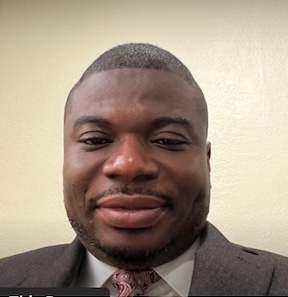


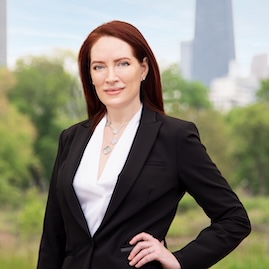

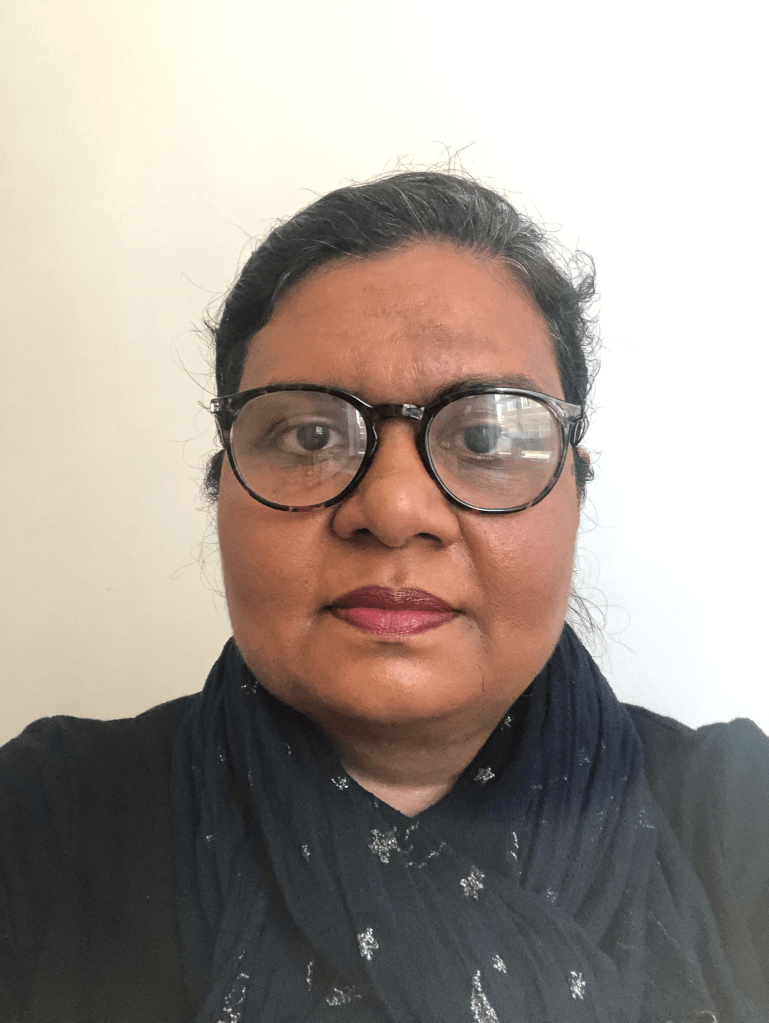







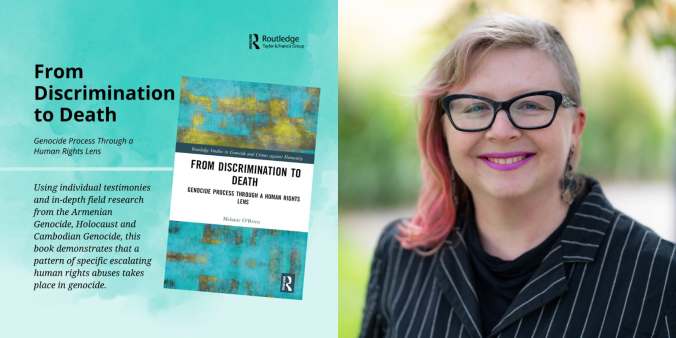

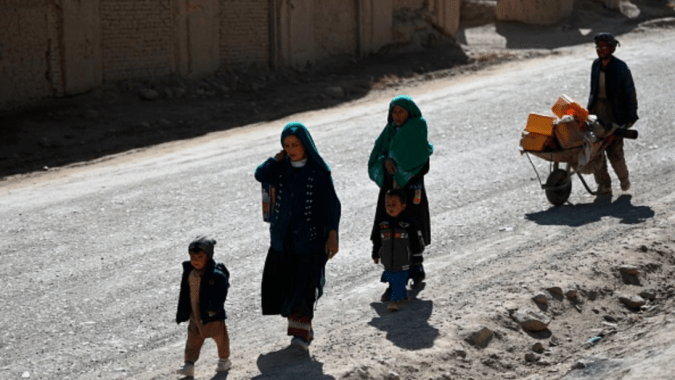


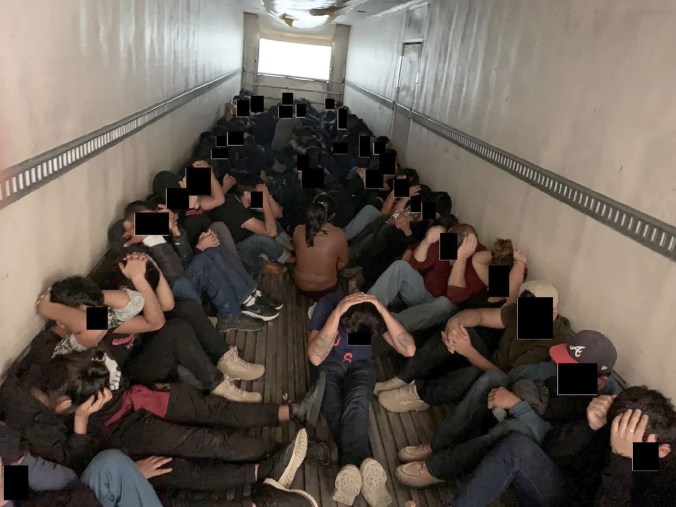
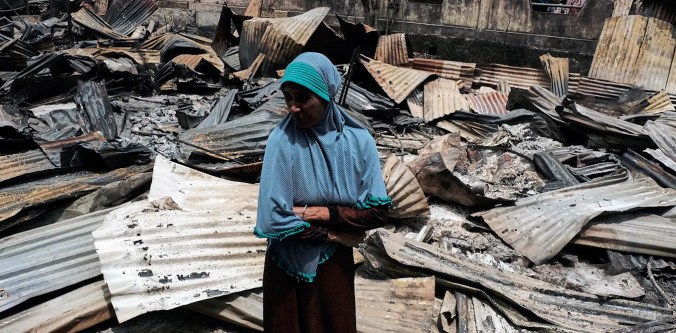
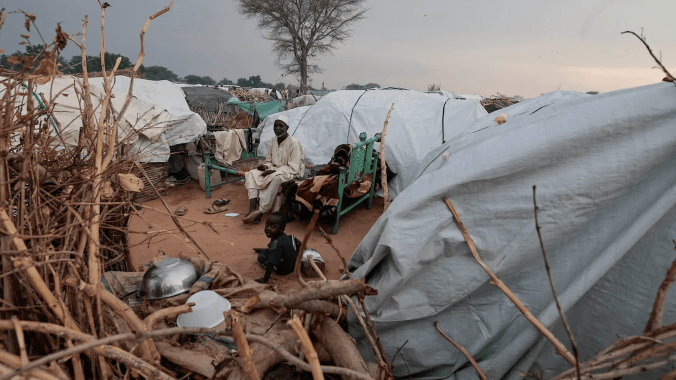

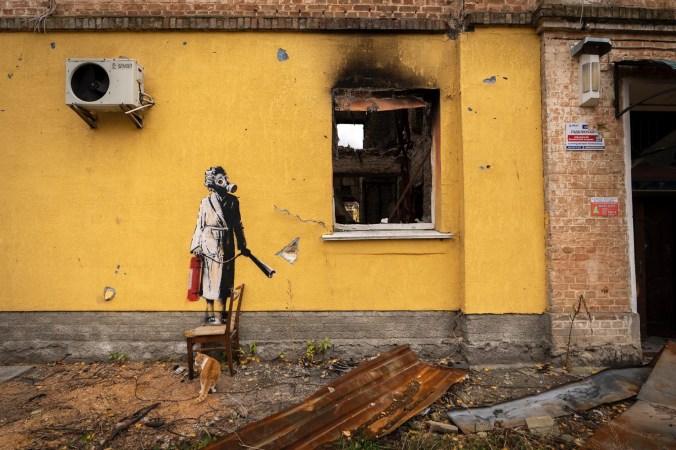



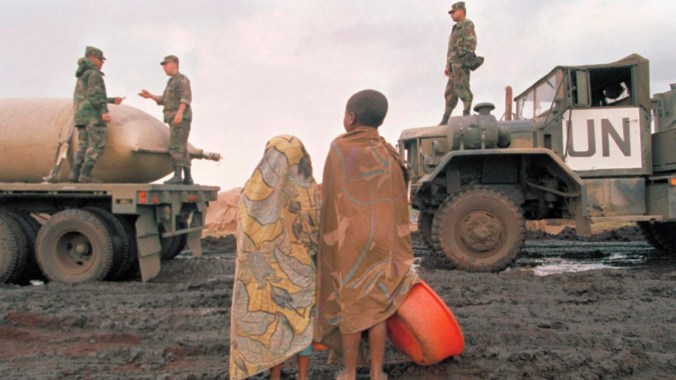








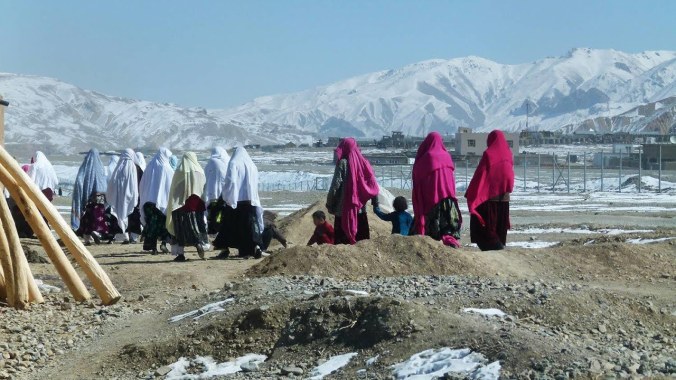


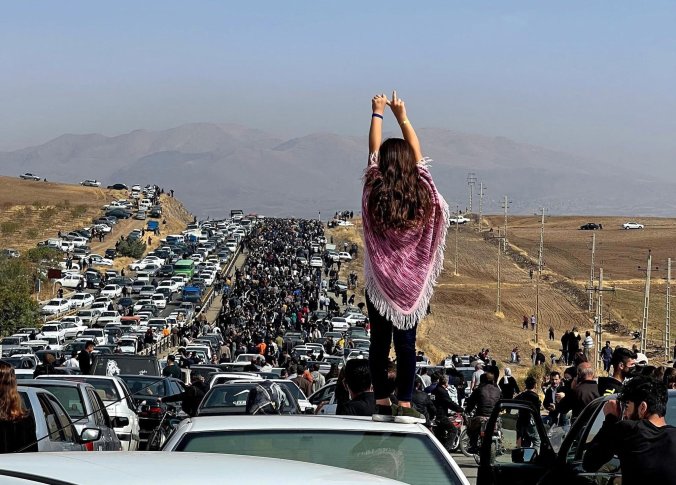
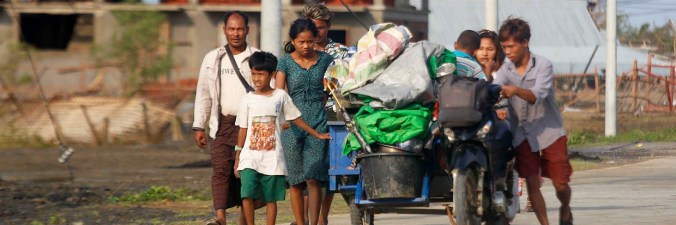
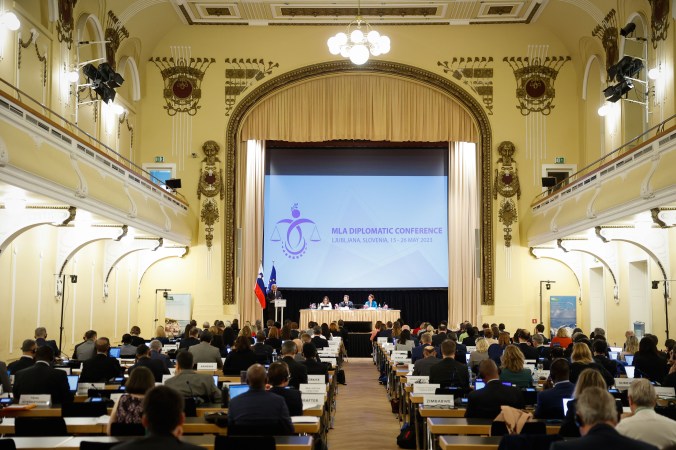

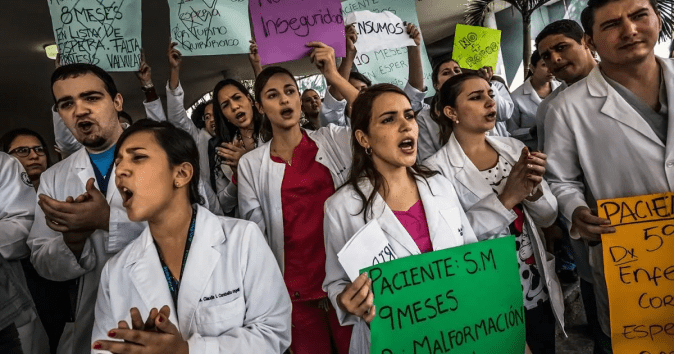




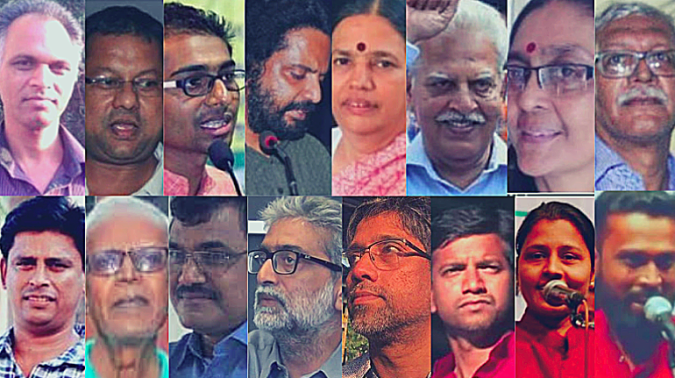

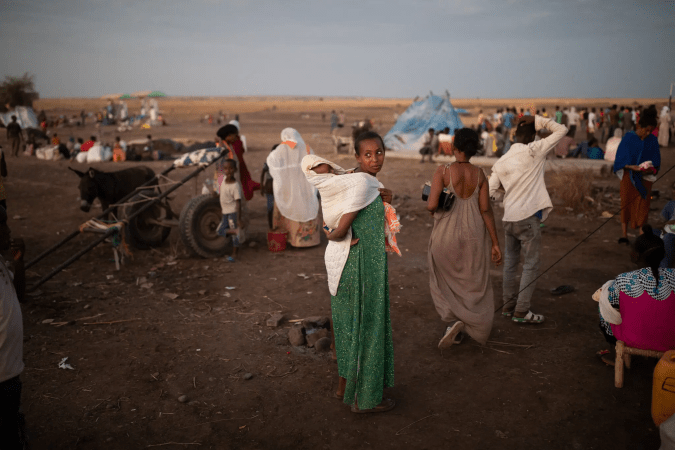
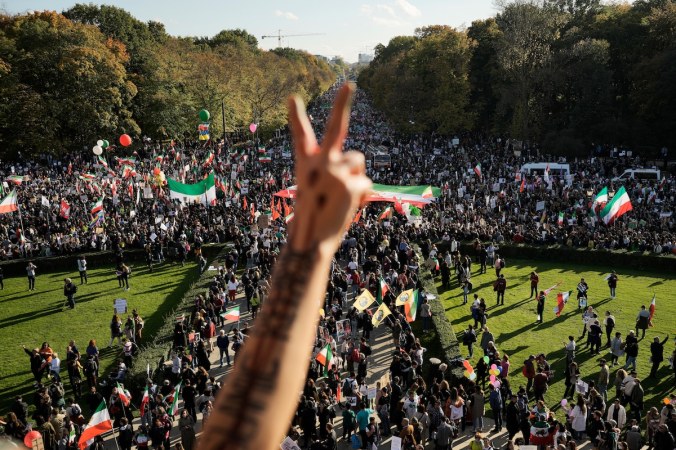

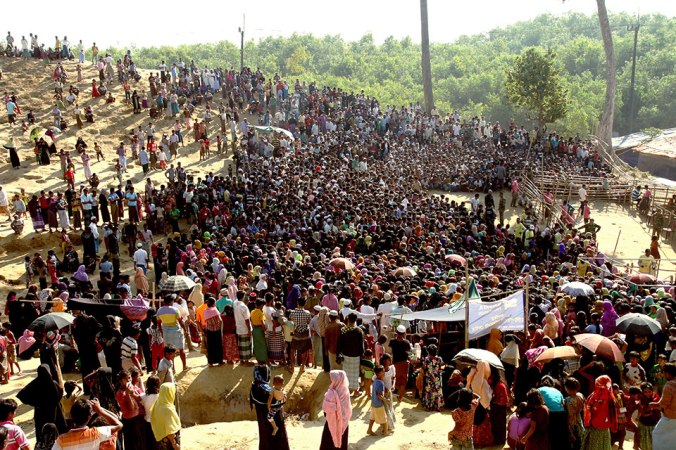

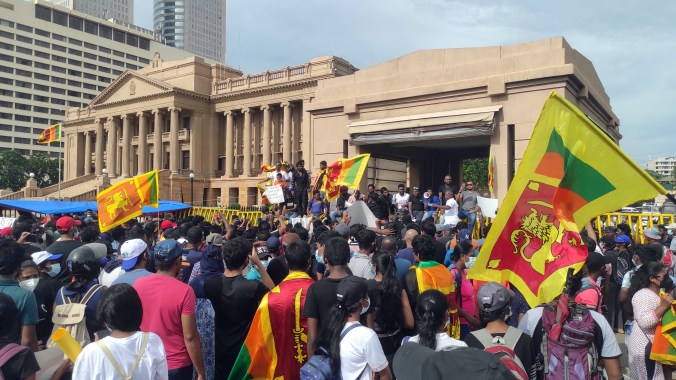

 International Criminal Law Committee